Kashi: The Unexplored City

Discover the Hidden Spiritual Tapestry of Varanasi

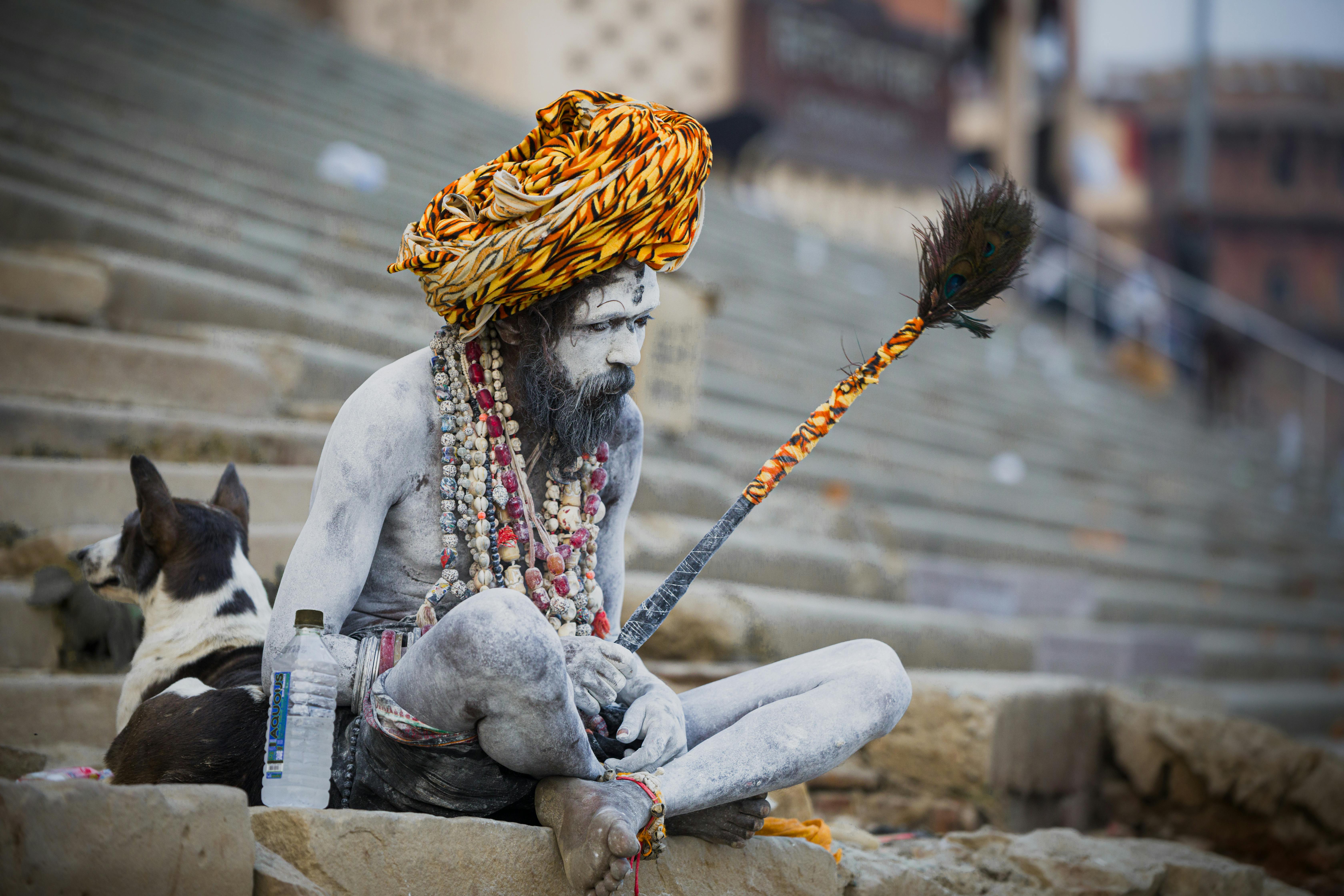
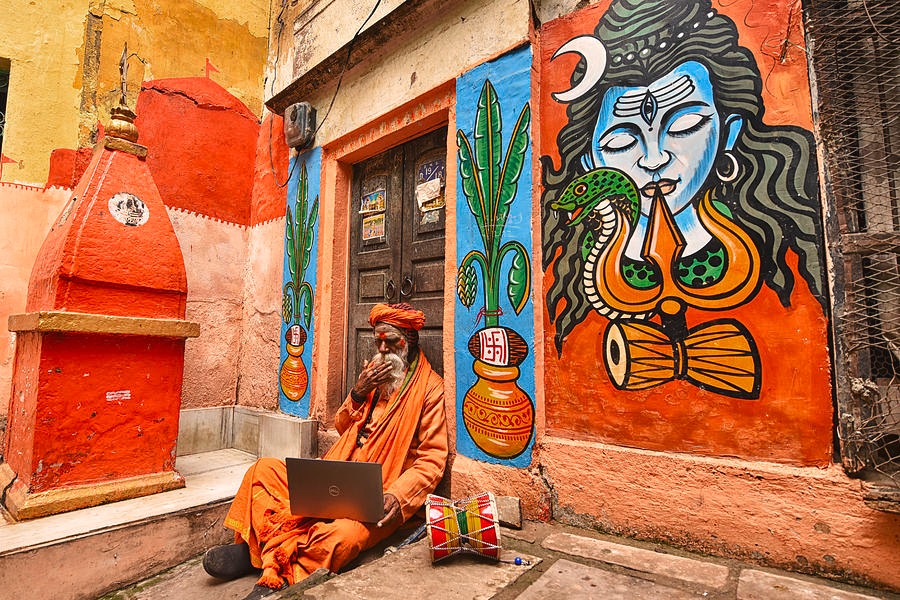
Beyond the famous temples and crowded ghats lies a world of sacred wells, silent temples, and living ritual traditions that define the authentic soul of Kashi.

सानन्दमानन्दवने वसन्तं आनन्दकन्दं हतपापवृन्दम्।
वाराणसीनाथमनाथनाथं श्रीविश्वनाथं शरणं प्रपद्ये॥

Explore Hidden Gems
Scroll to Discover
The Ancient City

Historical Context of Kashi

Ancient References

Mentioned in Rigveda, Skanda Purana, and Mahabharata - one of the oldest continuously inhabited cities in the world.

City of Light

Derived from "Kash" meaning to shine. Known as the "City of Light" - a beacon of spiritual enlightenment.

Divine Origin

Believed to be established by Lord Shiva himself, making it one of the most sacred cities in Hinduism.

Multi-Faith Heritage

Major center for Shaivism, Shaktism, Buddhism, and Jainism - a unique confluence of spiritual traditions.

"Kashi represents a sacred urban model where temples form a cosmic mandala layout, ghats act as ritual nodes, and narrow lanes preserve ancient socio-spiritual networks."

View Timeline
Sacred Sanctuaries

Lesser-Known Spiritual Sites
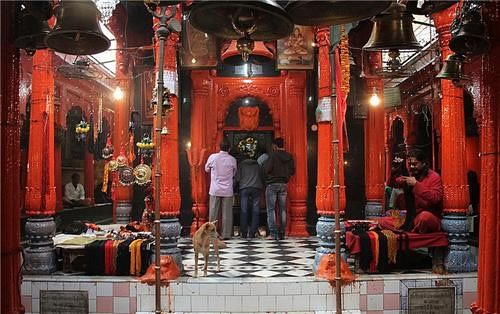
Sankata Devi Temple

Sankata Devi Temple

A powerful Shakti temple associated with removal of distress. Mostly visited by locals rather than mainstream tourists. The name means "Goddess of Relief" - devotees believe she removes all sorrows and calamities.

Shakti Peeth
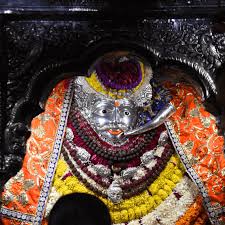
Kal Bhairav Temple

Kal Bhairav Temple

Dedicated to Kal Bhairava. Known for intense spiritual atmosphere and traditional ritual practices. This temple attracts those seeking protection and liberation from negative energies.

Shaivite
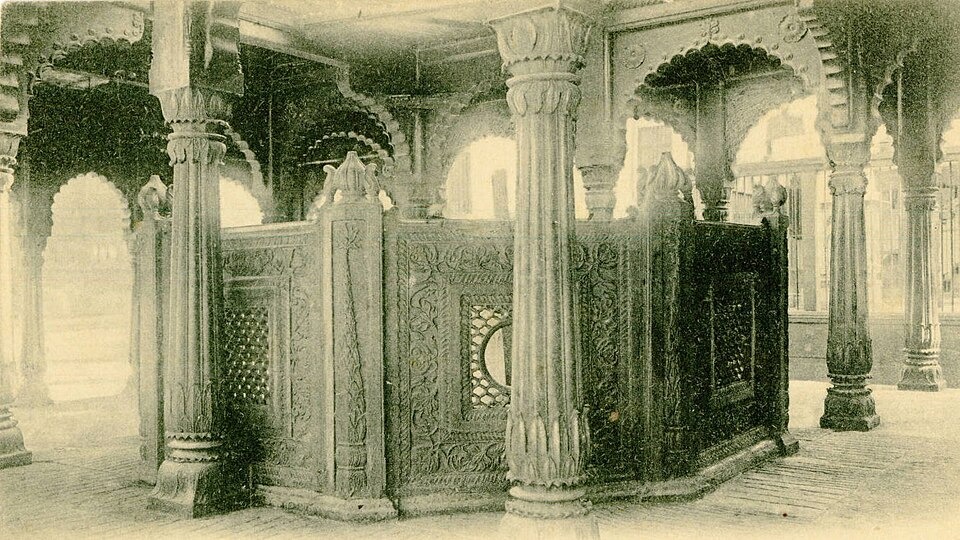
Gyanvapi Well

Gyanvapi Well

A sacred well with strong mythological significance, often overlooked in large-scale tourism narratives. It is believed to contain the divine knowledge (Gyan) of the cosmos.

Sacred Well
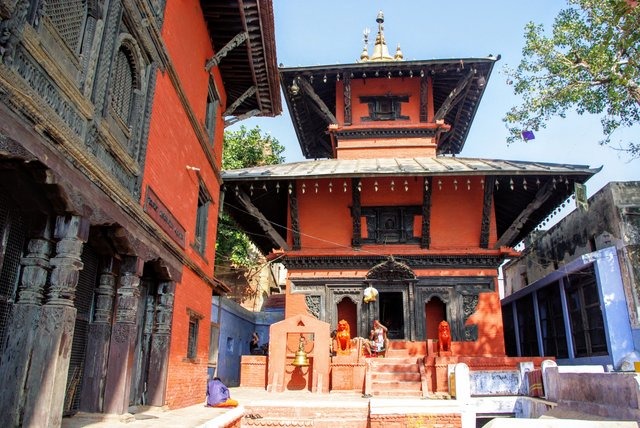
Nepali Temple

Nepali Temple (Kathwala Mandir)

Built in Nepali architectural style using exquisite wood carvings. Represents cross-cultural spiritual influence and the interconnected nature of Himalayan spiritual traditions.

Nepali Architecture
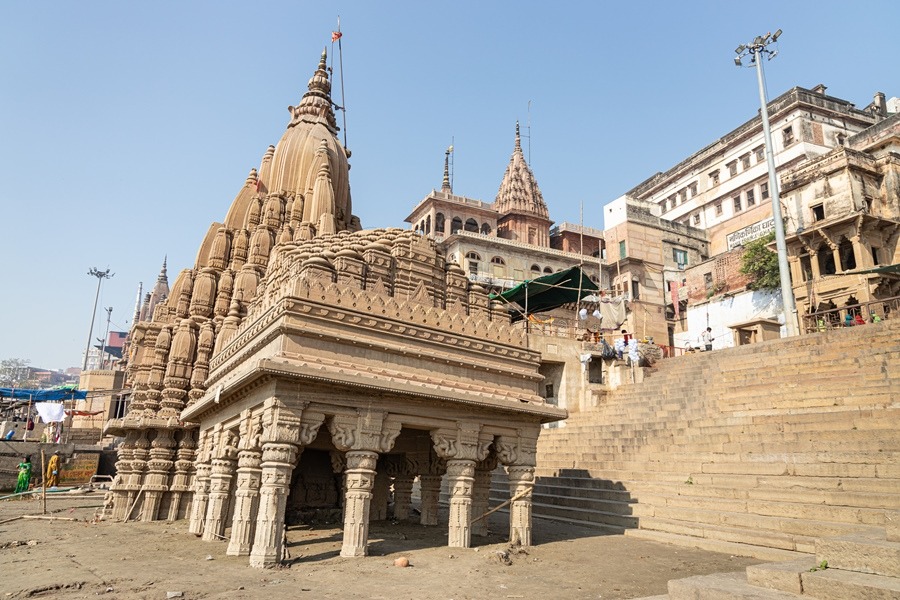
Ratneshwar Mahadev Temple

Ratneshwar Mahadev Temple

Popularly called the "Leaning Temple of Varanasi." Partially submerged during monsoon, symbolizing impermanence and devotion. A unique architectural marvel that embraces the river's flow.

Leaning Temple
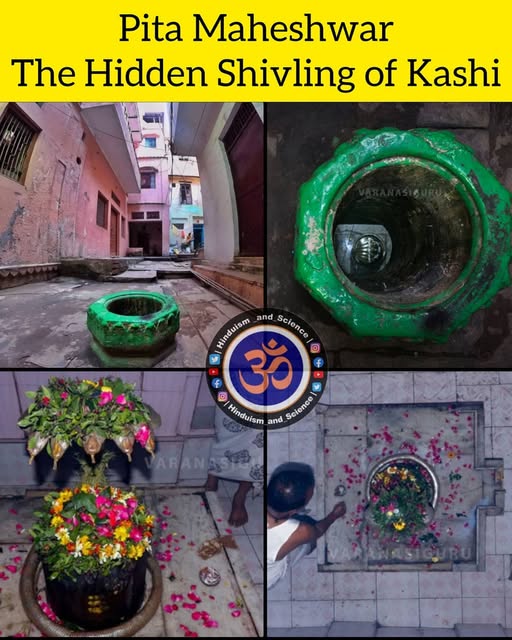
Pita Maheshwar shivling

Pita Maheshwar shivling

Pita Maheshwar Shivling is one of the most secret and hidden temples in Varanasi. It is believed to be shwayambhu a Self-manifested form of Shivling. The mention of this Shivling can also be found in Skand Puran, one of the 18 most important Hindu scriptures.

Hidden Temple
Divine Light

The 12 Jyotirlinga Circuit

Kashi houses 12 sacred Jyotirlingas, each representing a form of Lord Shiva's infinite light. This ancient circuit weaves through the city's narrow lanes and ghats.

Loop 1: The Inner Core (Walk)

Focus: Central Kashi and river ghats

Someshwar (Somnath)

Man Mandir Ghat

Found inside the Raja Man Singh observatory complex. It's quiet and offers a stunning view of the Ganga.

Rameshwar (Rameshwaram)

Man Mandir Ghat (Top level)

Representing the southern tip of India, located right in the heart of the old city.

Bhimashankar (Kashi Karvat)

Scindia Ghat

The Hidden Gem: Famous as the "Leaning Temple." It's tilted at a dramatic angle due to the riverbed shifting. The original deity is underground.

Trimbakeshwar

Bansphatak

Tucked away in a busy market lane near the main temple; look for a small, unassuming archway.

Loop 2: The Outer & Submerged Shrines

Focus: Healing and ancient history

Kedareshwar (Kedarnath)

Kedar Ghat

A massive, striped temple on a hillock. This is the main temple of the "Southern" part of Kashi.

Mallikarjuna

Sigra (Near Stadium)

Located on an elevated platform called a "Teela." It represents the Srisailam shrine.

Mahakaleshwar

Daranagar

Found near the famous Mrityunjay Mahadev (the "Conqueror of Death" temple).

Omkareshwar

Chittanpura

Located in the north near the ancient Machhodari Kund, which used to be part of the river.

Baidyanath

Kamachha

Associated with healing. It's located near the Batuk Bhairav temple, a "tantric" power center.

Nageshwar

Pathani Tola

Hidden in the deep residential alleys near Lalita Ghat. Ask locals for "Nageshwar Mahadev."

Grishneshwar

Kamachha/Sigra area

Usually visited along with Baidyanath to complete the Western circuit of the city.

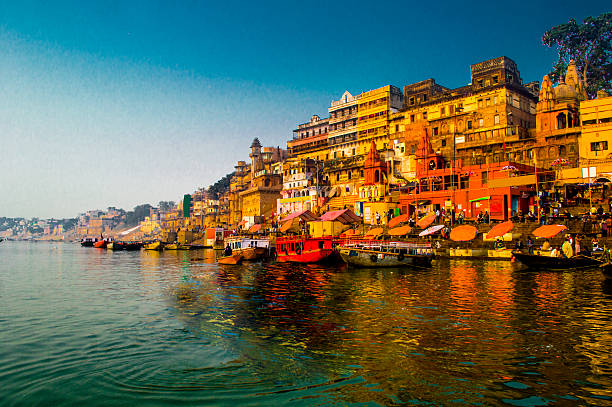
River Rituals

Unexplored Ghats

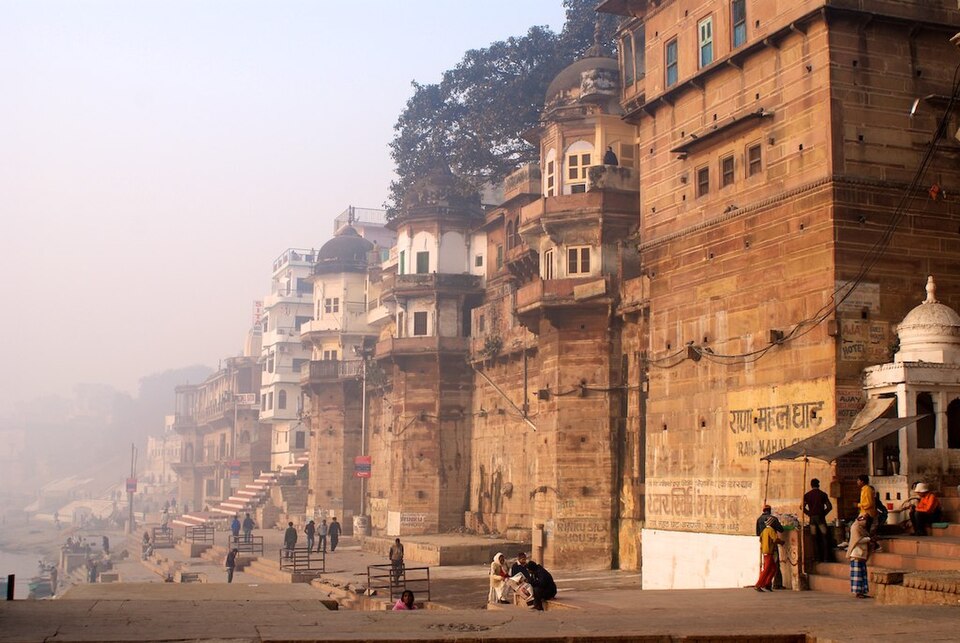
Rana Mahal Ghat

Rana Mahal Ghat

Less crowded and architecturally unique. Offers peaceful sunrise meditation environment. The name reflects its royal heritage while remaining off the typical tourist radar.

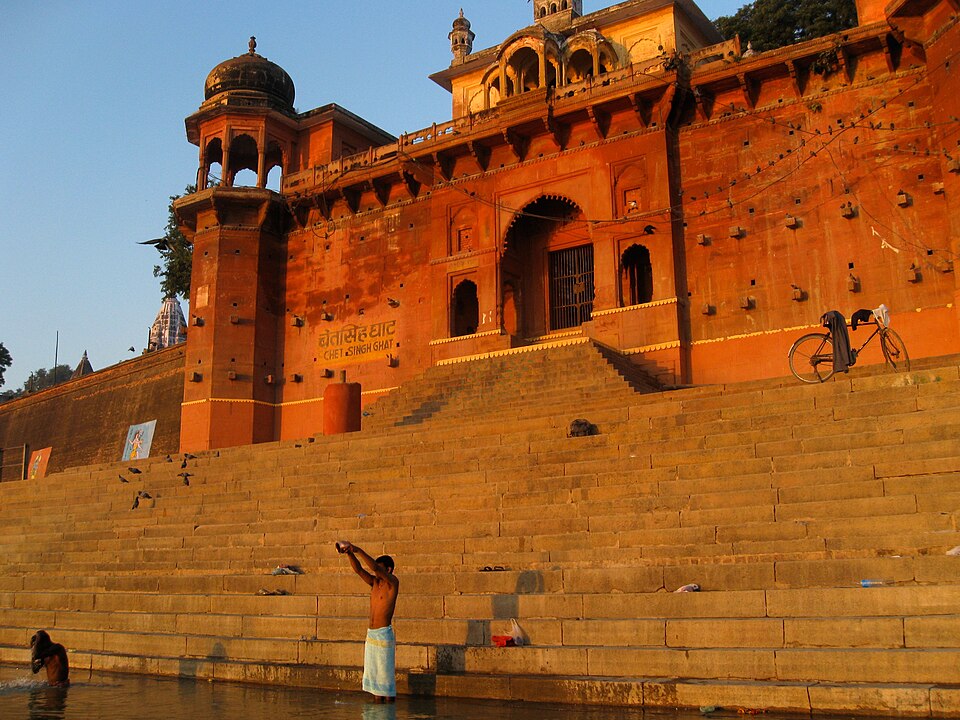
Chet Singh Ghat

Chet Singh Ghat

Historically significant during British resistance period. Quiet and reflective - a place where history and spirituality merge in silent contemplation.

Bhonsale Ghat

Bhonsale Ghat

Architectural elegance and spiritual calmness. Ideal for contemplative study of river rituals and traditional bathing ceremonies.

Raj Ghat

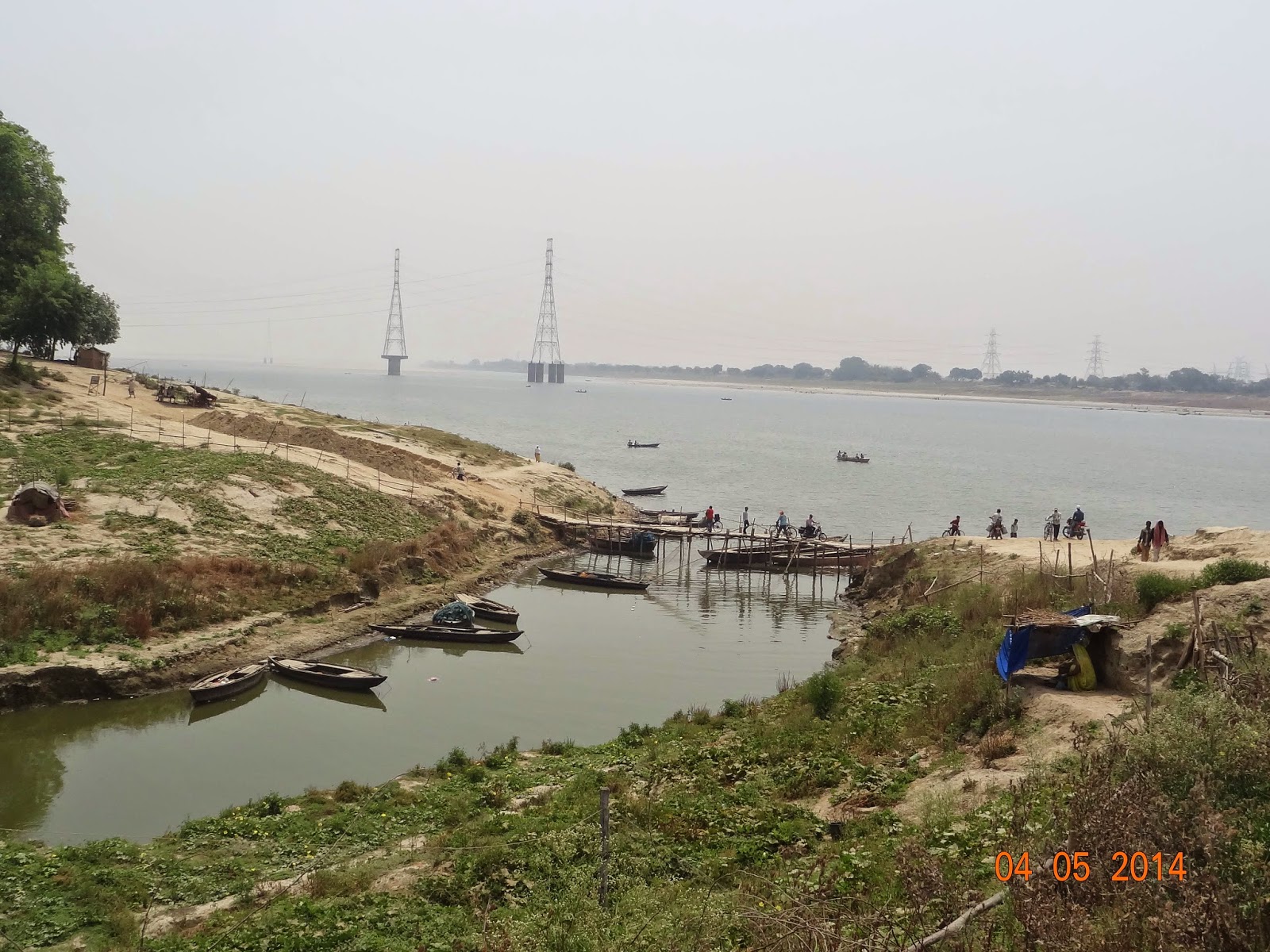
Raj Ghat (Varuna-Ganga Confluence)

Geographically significant as the northern boundary of Kashi. Symbolic of origin and confluence - where the Varuna river meets the Ganga.

lalita ghat

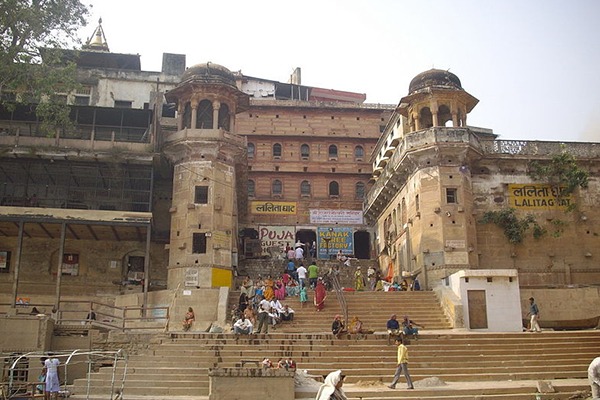
Lalita Ghat

Lalita Ghat, located in Varanasi near the famous Ganga Dwar and Manikarnika Ghat, is a highly revered site built in the early 19th century by King Rana Bahadur Shah of Nepal. It is renowned for the Nepali Mandir.

Ganga Mahal Ghat

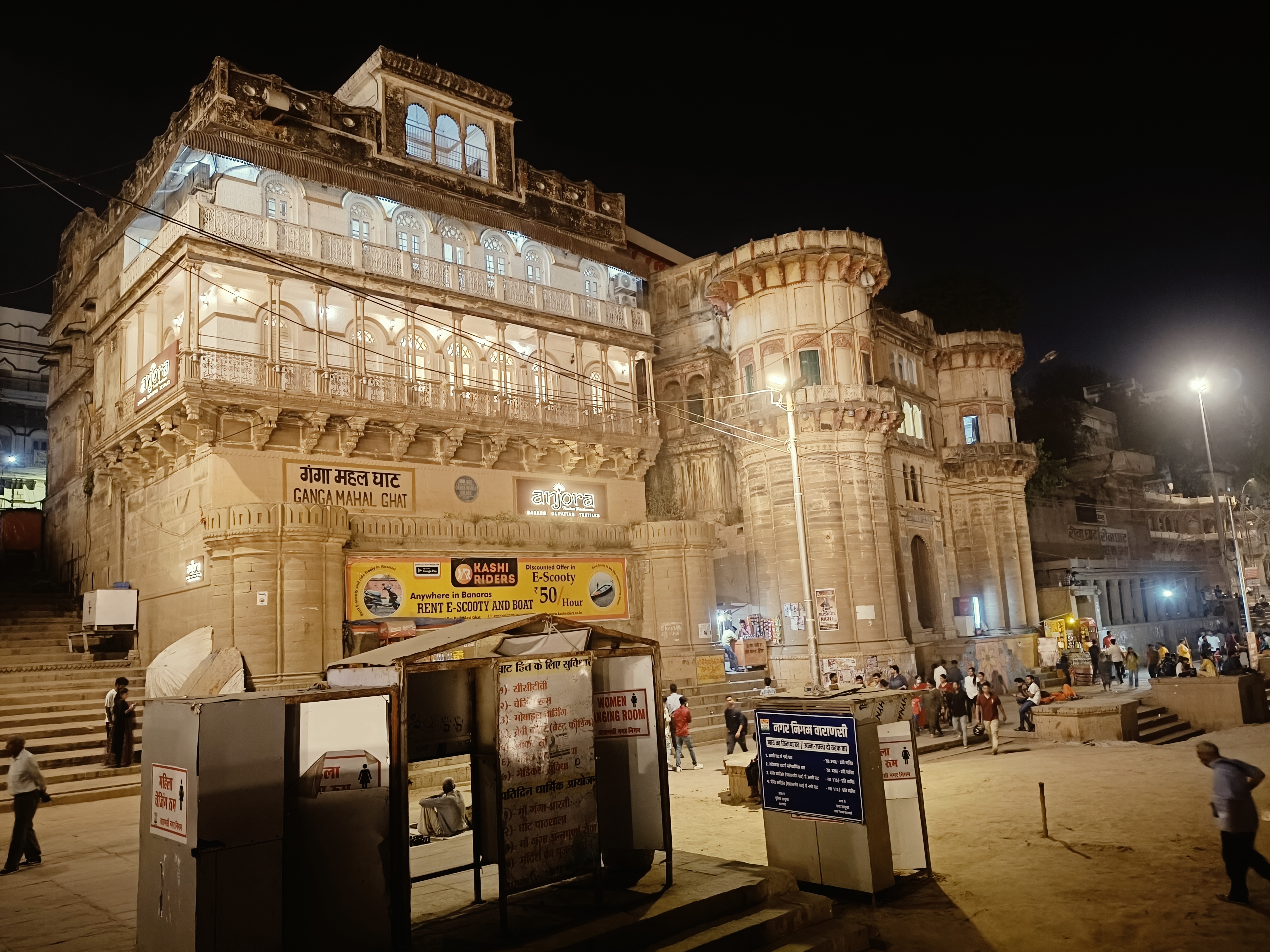
Ganga Mahal Ghat

Ganga Mahal Ghat in Varanasi, located 100 meters north of Assi Ghat, is a 19th-century riverfront marked by a distinctive palace built by the Narayan dynasty in 1830. Known for its blend of Rajput and local architecture, the ghat features five temples at the top and currently houses a design studio and an Indo-Swedish study centre.

Living Traditions

Cultural & Spiritual Research

Living Ritual Ecology

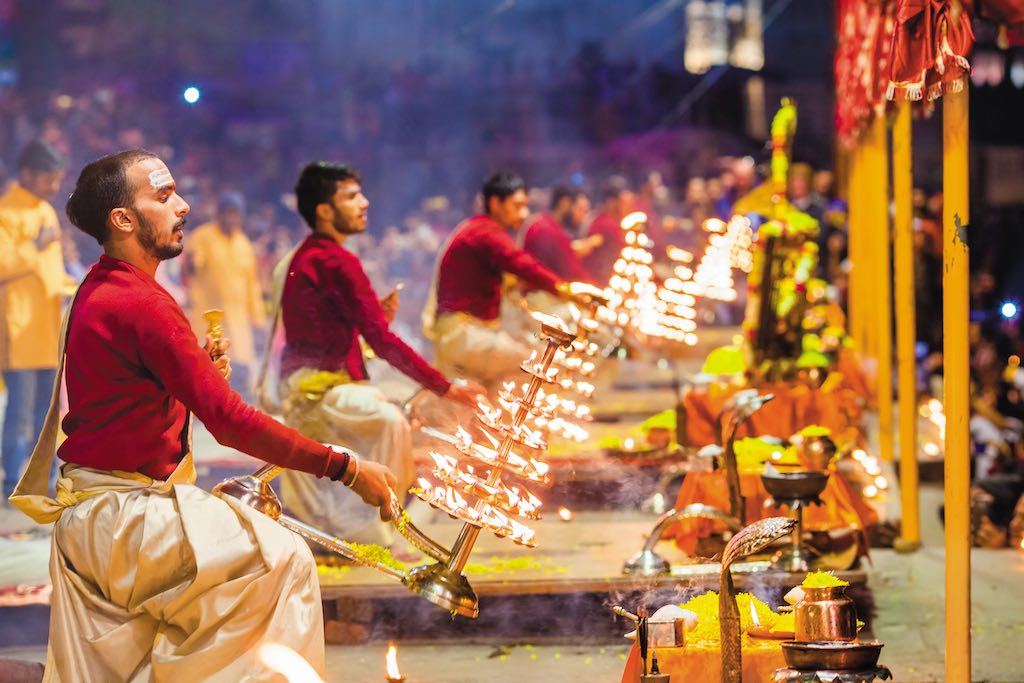
  • Morning Ganga Aarti at smaller ghats
  • Daily bathing rituals at dawn
  • Shraddha ceremonies for ancestors
  • Dev Deepawali celebrations

Sacred Urban Design

  • Temples forming cosmic mandala layout
  • Ghats as ritual nodes
  • Narrow lanes preserving ancient networks
  • Sacred geography around Varuna-Assi

Spiritual Anthropology

  • Pilgrim psychology and motivations
  • Death rituals at Manikarnika
  • Symbol of moksha (liberation)
  • Oral transmission of traditions
Beyond the Usual

Offbeat Tourist Dimensions

Ramnagar Fort

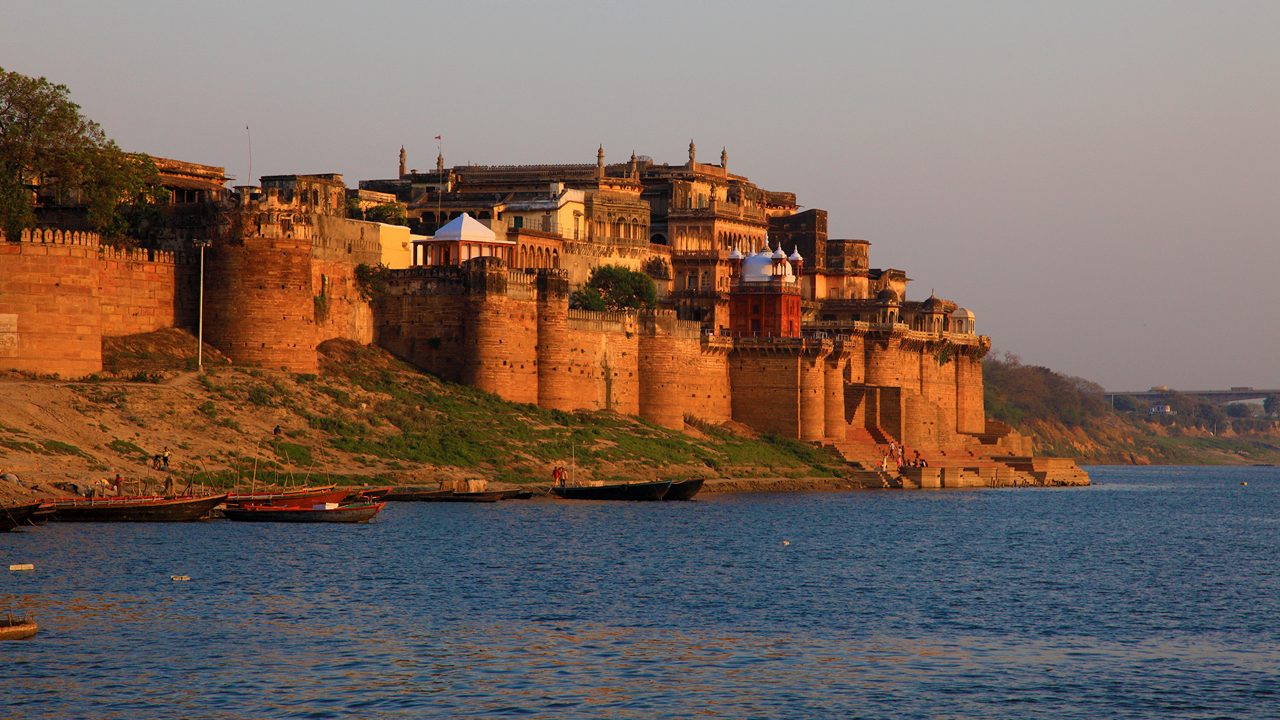
Ramnagar Fort

Historic structure across the Ganga reflecting royal heritage and colonial architecture.

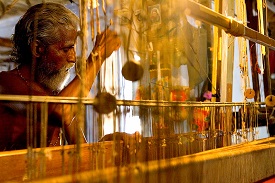
Silk Weaving Clusters

Silk Weaving Clusters

Traditional Banarasi silk artisans preserving centuries-old craftsmanship and designs.

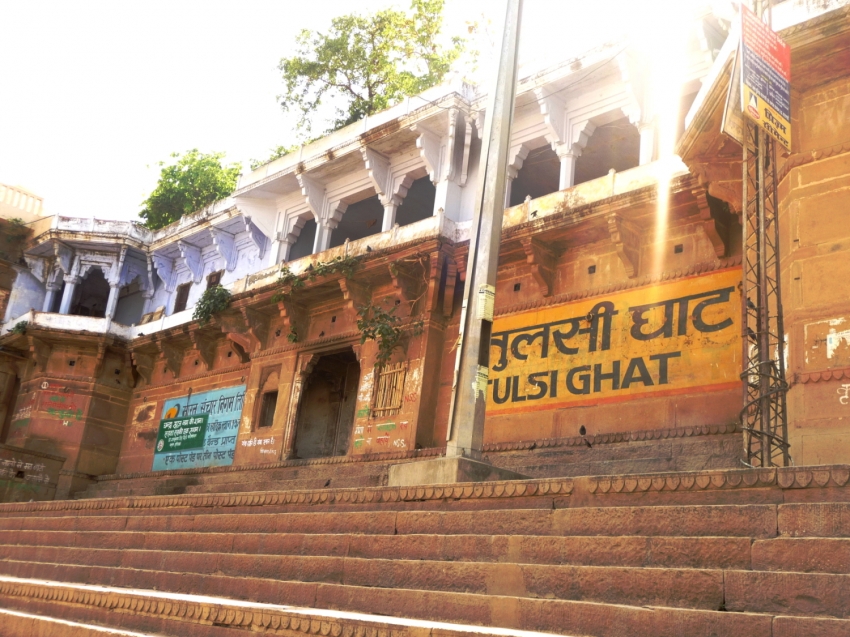
Tulsi Ghat

Tulsi Ghat

Associated with Goswami Tulsidas and the composition of Ramcharitmanas.

Tulsi Ghat

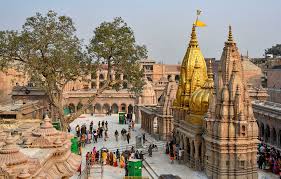
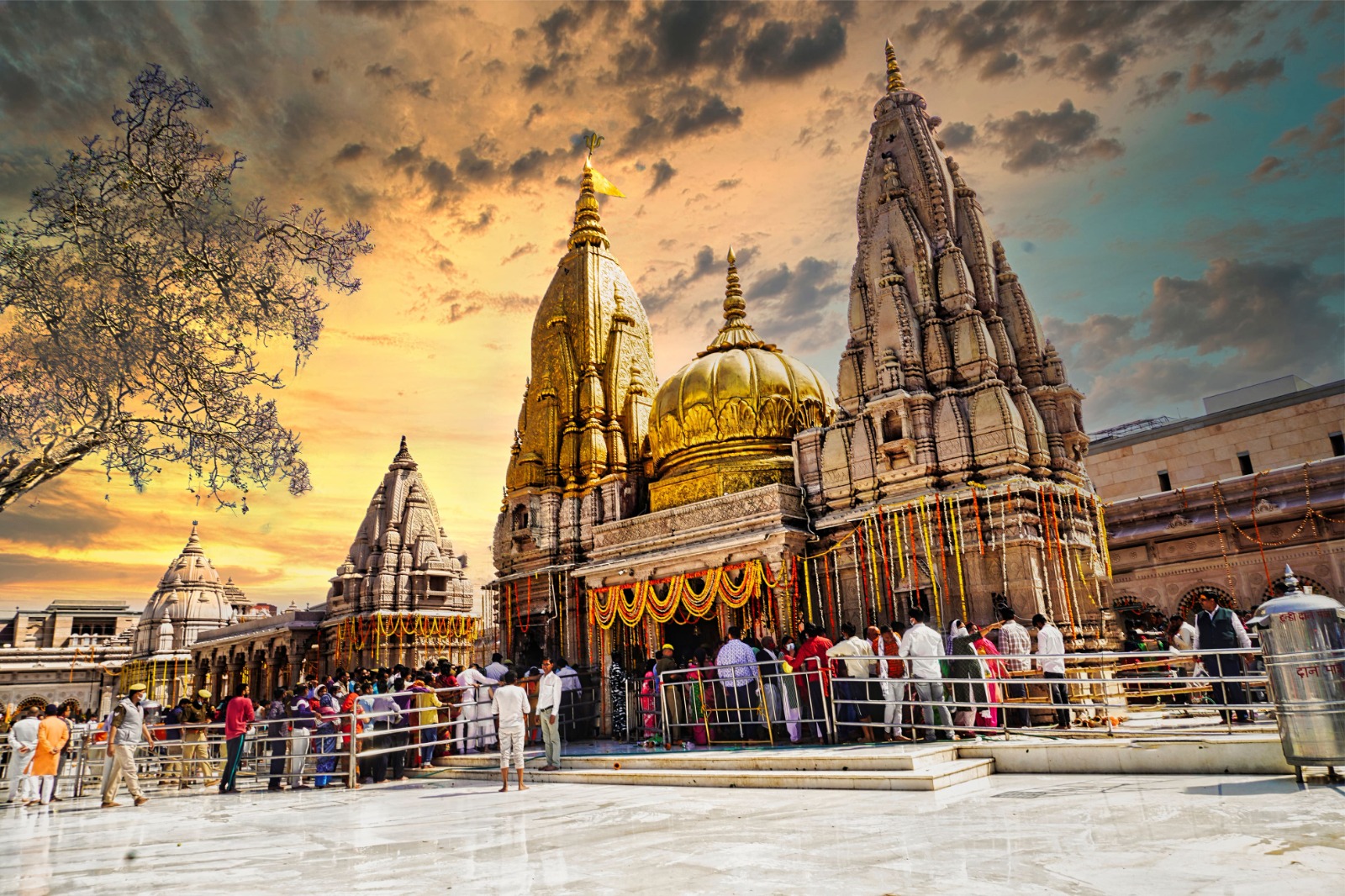
Vishwanath temple

The Kashi Vishwanath Temple (also known as the Golden Temple of Varanasi) is the spiritual heart of Kashi. It is dedicated to Lord Shiva in his form as Vishwanath (Lord of the Universe) and is one of the 12 sacred Jyotirlingas.

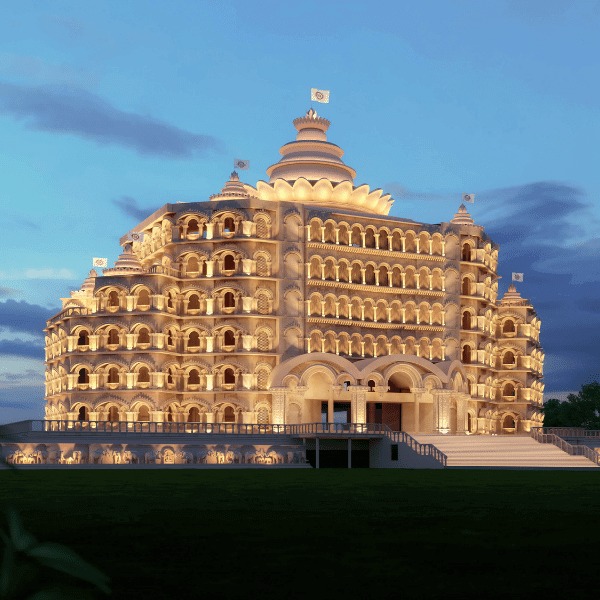
Swarved  Mahamandir

Swarved Mahamandir

Located on the outskirts of Varanasi in the Umaraha area, the Swarved Mahamandir is a modern spiritual marvel. While much of Kashi is about ancient, narrow lanes and stone temples, this structure represents the Modern Renaissance of the city—a grand, open space dedicated to meditation and the "science of consciousness."

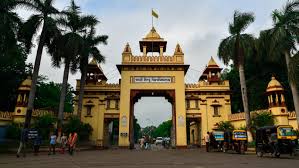
BHU

BHU

Banaras Hindu University (BHU) is not just an educational institution; it is a "Capital of Knowledge" (Sarvavidya ki Rajdhani) and a vital part of Kashi’s spiritual and cultural identity. BHU represents the perfect bridge between ancient Vedic wisdom and modern scientific progress..

Why Kashi Remains "Unexplored"

01

Limited Tourism Focus

Tourism focuses on iconic temples only, leaving countless sacred sites overlooked by visitors.

02

Lack of Digital Documentation

Many sacred sites lack digital documentation and online presence in the modern age.

03

Hyper-Local Traditions

Ritual practices are hyper-local and orally preserved, invisible to outside observers.

04

Academic Gap

Spiritual significance often not explained academically or in accessible formats.